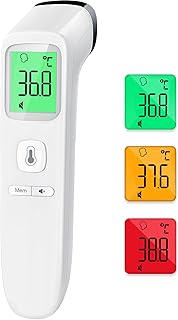
Your Comprehensive Look at Medical Thermometers for 2026
As we approach 2026, the landscape of medical thermometers is evolving rapidly. With advancements in technology and a heightened awareness of health monitoring, the choice of thermometer is becoming increasingly critical. This article aims to provide a detailed overview of the various types of medical thermometers available, their functionalities, and the latest innovations that are shaping the market.
Types of Medical Thermometers
Medical thermometers can be broadly categorised into several types, each designed for specific needs and situations. The most common types include digital thermometers, infrared thermometers, and traditional mercury thermometers. Digital thermometers have gained immense popularity due to their speed and accuracy. They can be used orally, rectally, or under the arm, making them versatile for various age groups.
Infrared thermometers, on the other hand, have surged in use, particularly since the COVID-19 pandemic. These thermometers provide a quick and contactless way to measure body temperature, which is especially beneficial in public settings such as airports and hospitals. Traditional mercury thermometers are now rarely used due to safety concerns, but they are still recognised for their accuracy.
Advancements in Technology
The year 2026 is set to witness significant advancements in thermometer technology. One of the most notable trends is the integration of smart technology. Many new digital thermometers are now equipped with Bluetooth connectivity, allowing users to sync their temperature readings with mobile applications. This feature not only facilitates easy tracking of temperature variations but also enables users to share their data with healthcare providers seamlessly.
People Also Look For:
- TH1 Thermometer - MHRA Registered - NHS Supplier - In-Ear, Forehead, Non-Touch & Baby Modes - CE Approved - Clinically Validated I...
- Braun ThermoScan 7 Ear thermometer - Age Precision Technology - Colour-coded Digital Display - Baby and Infant Friendly - #1 Brand...
- Infrared Forehead Thermometer, Non Contact Digital Thermometer for Adults and Kids, Instant Accurate Reading and Fever Alarm, Batt...
- Ear Thermometer for Adults and Kids, Infrared Temperature Thermometer for Children, Digital Baby Body Thermometers with Fever Alar...
- Medical Grade Heavy Duty Touchless Infrared Forehead Thermometer, for Adults & Baby Digital Thermometer Gun, 1s Instant Results, O...
Another exciting development is the use of artificial intelligence. Some modern thermometers are being equipped with AI algorithms that can analyse temperature trends and provide predictive insights regarding potential health issues. This proactive approach to health monitoring is particularly beneficial for individuals with chronic health conditions who require regular temperature tracking.
Precision and Accuracy
As with any medical device, precision and accuracy are paramount when it comes to thermometers. The latest models are being designed with advanced sensors that can deliver precise readings within seconds. Furthermore, manufacturers are focusing on calibration processes to ensure that the thermometers maintain their accuracy over time. Many of the top brands are also investing in research to improve the reliability of temperature readings taken from different body sites.
For instance, forehead thermometers are becoming increasingly popular for their convenience, especially among parents monitoring their children's health. However, the accuracy of these readings can vary depending on external factors. Therefore, it is crucial for consumers to be aware of the specifications and intended use of each thermometer type.
Choosing the Right Thermometer
When selecting a thermometer, several factors should be considered. Firstly, the age of the user plays a significant role. For infants, rectal thermometers are often recommended for their accuracy, while older children and adults may prefer the ease of use offered by digital or infrared models. Additionally, considering the environment in which the thermometer will be used is vital. For example, a thermometer with a non-contact feature may be more suitable for public places where hygiene is a concern.
Price is another factor, as thermometers can vary greatly in cost. While more expensive models often come with additional features and enhanced accuracy, many affordable options on the market still provide reliable performance. Consumers should also pay attention to reviews and recommendations to gauge the effectiveness of the thermometer they intend to purchase.
Future Trends in Thermometer Design
The future of thermometer design is poised for exciting changes. With the increasing focus on sustainability, manufacturers are exploring eco-friendly materials and designs that minimise environmental impact. Furthermore, as telemedicine continues to grow, the demand for thermometers that can integrate seamlessly into remote health monitoring systems is expected to rise significantly. Improvements in user interfaces will also make thermometers easier to operate for people of all ages.
As we delve deeper into 2026, the advancements in medical thermometers will likely continue to enhance our ability to monitor health effectively. These innovations will not only improve the accuracy of readings but also empower users to take a more active role in their health management.