Understanding Different Types of Medical Thermometers
When it comes to monitoring body temperature, medical thermometers play a crucial role in detecting fever and potential health issues. With advancements in technology, there are now various types of medical thermometers available on the market. Understanding the differences between these types can help you choose the most suitable thermometer for your needs. In this article, we will explore six different types of medical thermometers and their unique features.
1. Digital Thermometers
Digital thermometers are one of the most common types of medical thermometers used today. They are easy to use and provide accurate readings within seconds. Digital thermometers can be used orally, rectally, or under the arm. Some digital thermometers also come with features like memory recall and fever alerts, making them convenient for home use.
2. Infrared Thermometers
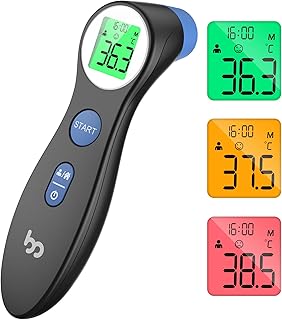
Infrared thermometers are non-contact thermometers that measure body temperature by detecting the heat emitted by the body. These thermometers are ideal for use on children or patients who are sleeping, as they do not require direct contact with the skin. Infrared thermometers are quick, hygienic, and suitable for use in hospitals, clinics, and homes.
People Also Look For:
- No Touch Forehead Thermometer for Adults and Kids Infrared Digital Thermometer Touchless Baby Thermometer Accurate Fast Readings f...
- Digital Thermometer Medical LCD Audible Alarm Baby Adult Oral Ear Body Arm Fever
- Ear Thermometer, Professional Accuracy Ear Thermometer for Adults and Baby, 3-Color Fever Alert Code, Mute Mode, Reading Storage, ...
- Ear Thermometer, Professional Accuracy Ear Thermometer for Adults and Baby, 3-Color Fever Alert Code, Mute Mode, Reading Storage, ...
- Forehead Thermometer for Adults Kids, Non Contact Touch Infrared LCD Display Digital Baby Thermometers Body Temperature Thermomete...
3. Ear Thermometers
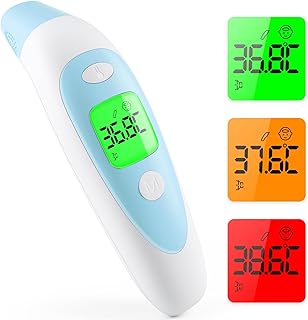
Ear thermometers, also known as tympanic thermometers, are designed to measure body temperature by reading the infrared heat waves emanating from the eardrum. These thermometers provide fast and accurate readings, making them popular for use in pediatric care. Ear thermometers are convenient and easy to use, but proper placement in the ear canal is crucial for accurate results.
4. Forehead Thermometers
Forehead thermometers, also known as temporal artery thermometers, measure body temperature by scanning the temporal artery on the forehead. These thermometers are non-invasive and provide quick and comfortable readings. Forehead thermometers are suitable for use on all age groups and are ideal for screening large groups of people in public settings.
5. Mercury Thermometers
Mercury thermometers have been widely used in the past but are now less common due to safety concerns associated with mercury exposure. These thermometers use a mercury-filled glass tube to measure body temperature. While mercury thermometers are accurate, they are fragile and can pose a risk of breakage and mercury poisoning if mishandled. It is recommended to use alternative types of thermometers for safety reasons.
6. Smart Thermometers
Smart thermometers are a modern innovation that connects to smartphones or tablets via Bluetooth or Wi-Fi. These thermometers often come with accompanying mobile apps that track and store temperature readings over time. Smart thermometers provide convenience and allow for easy sharing of data with healthcare professionals. Some smart thermometers also offer additional features like symptom tracking and medication reminders.
Choosing the right type of medical thermometer depends on your specific needs and preferences. Whether you prefer a traditional digital thermometer or a high-tech smart thermometer, there are plenty of options available to suit your requirements. It is essential to follow the manufacturer's instructions and guidelines for accurate temperature measurements and proper maintenance of the thermometer.
Stay informed about the different types of medical thermometers and make an informed decision when selecting a thermometer for your home or healthcare facility. Remember that regular monitoring of body temperature is essential for detecting fever and monitoring overall health. Invest in a reliable and accurate medical thermometer to ensure accurate temperature readings and timely healthcare intervention when needed.