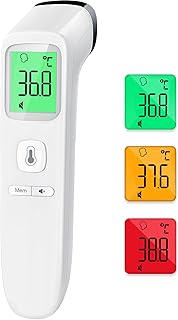
9 Tips for Choosing the Best Medical Thermometer for Your Needs
When it comes to monitoring your health or the health of your loved ones, having a reliable medical thermometer is essential. With so many options available on the market, choosing the best one can be overwhelming. To help you make an informed decision, here are nine tips for selecting the best medical thermometer for your needs.
1. Consider the Type of Thermometer
There are various types of medical thermometers, including digital thermometers, infrared thermometers, and mercury thermometers. Digital thermometers are quick and easy to use, while infrared thermometers provide non-contact temperature readings. Mercury thermometers, although accurate, are no longer recommended due to the risk of mercury exposure. Consider your preferences and needs before choosing the type of thermometer.
2. Check the Accuracy of the Thermometer
Accuracy is crucial when it comes to measuring body temperature. Look for a thermometer that is clinically tested and approved for accuracy. Some thermometers come with calibration features to ensure precise readings. It's essential to choose a thermometer that provides reliable and consistent results.
3. Evaluate the Speed of the Thermometer
For quick and convenient temperature readings, opt for a thermometer that provides fast results. Digital thermometers typically offer rapid readings within seconds, making them ideal for young children or individuals who may have difficulty sitting still for extended periods. Infrared thermometers are also known for their speed and efficiency.
People Also Look For:
- iProven Oral Thermometer, Measures in 10 Seconds with Flexible tip and Fever Alarm, Digital Medical Thermometer for Adults, Kids a...
- Laser Thermometer Gun Infrared Thermometer Digital Non Contact Food Thermometers -50℃ - 600℃ (-58-1112℉) IR The...
- TH1 Thermometer - MHRA Registered - NHS Supplier - In-Ear, Forehead, Non-Touch & Baby Modes - CE Approved - Clinically Validated I...
- No Touch Forehead Thermometer for Adults and Kids Infrared Digital Thermometer Touchless Baby Thermometer Accurate Fast Readings f...
- 100Pcs Ear Thermometer Probe Covers, Refill Caps Thermometer Covers for Various Types of Digital Thermometers, Pack of 100 Pieces ...
4. Consider the Age of the User
When choosing a medical thermometer, consider the age of the user. For infants and toddlers, a digital rectal thermometer may be most accurate. Older children and adults can use oral, ear, or forehead thermometers. Make sure to select a thermometer that is suitable for the age group of the individuals who will be using it.
5. Think About the User's Comfort
Comfort is essential when using a medical thermometer, especially for young children or individuals who may be feeling unwell. Choose a thermometer with a flexible tip or soft probe for a comfortable and gentle experience. Some thermometers also come with features like backlight displays for easy reading in low light conditions.
6. Consider the Thermometer's Memory Function
A thermometer with a memory function can be beneficial for tracking temperature trends over time. Look for a thermometer that can store multiple temperature readings, allowing you to monitor changes and share data with healthcare providers if necessary. This feature can be particularly useful for individuals with chronic conditions.
7. Check the Battery Life of the Thermometer
Before purchasing a medical thermometer, consider the battery life and power source. Some thermometers require disposable batteries, while others come with rechargeable options. Opt for a thermometer with a long-lasting battery to avoid frequent replacements. It's also a good idea to keep spare batteries on hand in case of emergencies.
8. Look for Additional Features
When selecting a medical thermometer, consider any additional features that may be beneficial. Some thermometers offer fever alarms, silent mode options, or temperature conversion settings. These extra features can enhance the overall user experience and make temperature monitoring more convenient.
9. Read Reviews and Compare Prices
Before making a final decision, take the time to read reviews from other users and compare prices across different brands. Pay attention to feedback regarding accuracy, ease of use, and durability. Additionally, consider the warranty and customer service offered by the manufacturer. By doing your research, you can ensure that you are choosing the best medical thermometer for your needs.