What to Consider When Selecting Medical Thermometers in 2026
As we progress into 2026, the selection of medical thermometers becomes increasingly pivotal for both healthcare providers and individuals managing their health. Choosing the right thermometer is not merely about convenience; it is a matter of accuracy, reliability, and patient safety. As technology continues to evolve, it is essential to stay informed about the latest developments in thermometer options and their respective features.
Types of Thermometers
There are several types of medical thermometers available on the market, each with specific advantages and limitations. The most common types include digital thermometers, infrared thermometers, and traditional glass thermometers. Digital thermometers are widely used due to their speed and ease of use. They can provide readings within seconds and are often equipped with features such as fever alerts and memory recall.
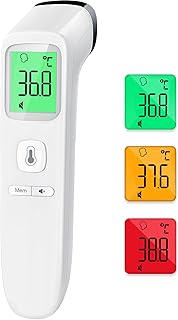
Infrared thermometers, particularly those designed for forehead or ear measurements, have gained popularity due to their non-invasive nature. They are especially useful in clinical settings where time is of the essence. However, it is crucial to note that accuracy can vary based on the specific model and the technique employed during measurement. Traditional glass thermometers are less common in modern practice due to safety concerns and the longer time required for readings, but they may still be found in some households.
Accuracy and Calibration
When selecting a thermometer, accuracy should be a primary consideration. The accuracy of a thermometer can significantly influence clinical decisions, particularly in paediatric care or when monitoring patients with fluctuating body temperatures. It is advisable to choose thermometers that have been validated through clinical studies and adhere to relevant medical standards.
People Also Look For:
- Digital Thermometer with Flexible Tip - Fast Accurate Oral, Underarm & Rectal for Adults, Kids & Baby
- Citizen Digital Thermometer for Basal Body Temperature Readings - Body Temperature Thermometer with Fever Alarm and One Button Ope...
- Duronic Ear and Forehead 3 in 1 Thermometer, Non-Contact Digital Infrared Medical Thermometer for Baby/Child/Adult & Objects, Easy...
- Digital Temperature Thermometer for Ear and Forehead: AILE Infrared Thermometers Gun for Baby and Adult - Approved UK Accurate Fas...
- Kinetik Wellbeing Digital Ear & Forehead Non Contact Thermometer – Medical Thermometer for Adults & Kids Used by the NHS - ...
Moreover, calibration is another critical aspect that should not be overlooked. Regular calibration ensures that a thermometer remains accurate over time. Some models may offer features that alert users when recalibration is needed, which can be particularly beneficial in a busy healthcare environment.
Usability and Features
The usability of a thermometer is integral to its effectiveness. Features such as large, easy-to-read displays and simple button functionality can enhance user experience, especially in emergency situations or for caregivers who may not have extensive training. Additional features such as backlighting, automatic shut-off, and water resistance can also contribute to user-friendliness and prolong the lifespan of the device.
In 2026, many thermometers come equipped with smart technology, allowing for data tracking and integration with health monitoring apps. This capability can be especially beneficial for chronic illness management and allows for easy sharing of data with healthcare professionals. It is essential to assess whether these additional features align with your specific needs and those of your patients.
Safety and Hygiene Considerations
As the importance of hygiene continues to be at the forefront of public health, selecting a thermometer that is easy to clean and maintain is essential. Many modern thermometers come with disposable covers or are designed to be easily disinfected, which helps reduce the risk of cross-contamination in clinical settings. Understanding the cleaning protocols for your chosen thermometer is vital to ensure patient safety and to maintain the accuracy of the readings.
It is also important to consider the materials used in the construction of the thermometer. Some individuals may have sensitivities to certain plastics or metals. Selecting thermometers that are made from hypoallergenic materials can help mitigate any potential allergic reactions.
Cost and Warranty
Cost is always a factor when selecting medical equipment. While it may be tempting to opt for the least expensive option, it is vital to weigh the cost against the quality and features offered. Investing in a reliable thermometer can save money in the long run by reducing the need for replacements and ensuring accurate readings that support patient care.
Additionally, always check the warranty and customer support options available for the thermometer. A good warranty can provide peace of mind and protect your investment, ensuring that you have access to support should any issues arise. In 2026, many manufacturers offer extended warranties and customer service options that can enhance your buying experience.
...