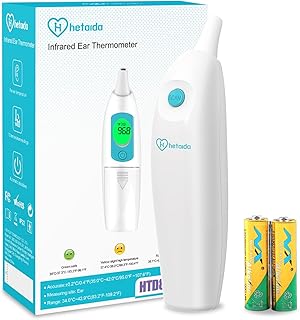
Why Medical Thermometers are Essential for Healthcare Professionals
Medical thermometers are a crucial tool in the arsenal of healthcare professionals. These devices are used to measure body temperature, which is a vital sign that can indicate the presence of illness or infection. In this blog post, we will explore why medical thermometers are essential for healthcare professionals and how they contribute to the delivery of quality patient care.
1. Accurate Diagnosis
One of the primary reasons why medical thermometers are essential for healthcare professionals is their role in accurate diagnosis. Body temperature is a key indicator of health, and changes in temperature can signal the presence of a variety of conditions, from the common cold to more serious infections like sepsis. By accurately measuring a patient's temperature, healthcare professionals can quickly identify and diagnose illnesses, allowing for prompt treatment and better outcomes.
2. Monitoring Patient Health
Medical thermometers are also essential for monitoring patient health over time. By regularly measuring a patient's temperature, healthcare professionals can track changes and trends that may indicate the progression or resolution of an illness. This information is crucial for making informed decisions about treatment plans and assessing the effectiveness of interventions.
People Also Look For:
- Berrcom Forehead Thermometer for Adults Non Contact Infrared Children Thermometer Digital Baby Thermometer 3 in 1 Forehead Thermom...
- Proster Digital Thermometer Dual Channel Thermocouple Thermometer with Two K- type Thermocouples Temperature Meter Gauge with LED ...
- Highly Accurate Digital Medical Thermometer
- Forehead Thermometer for Adults Kids, No-Touch Infrared LCD Display Digital Baby Thermometers Body Temperature Thermometer
- Forehead Thermometer for Adults Kids, No-Touch Infrared LCD Display Digital Baby Thermometers Body Temperature Thermometer
3. Infection Control
Another reason why medical thermometers are essential for healthcare professionals is their role in infection control. Fever is a common symptom of many infectious diseases, and monitoring body temperature is an important tool in identifying and containing outbreaks. By quickly identifying patients with fevers, healthcare professionals can implement appropriate infection control measures to prevent the spread of illness to others.
4. Different Types for Different Needs
Medical thermometers come in a variety of types to suit different needs and preferences. From traditional mercury thermometers to modern digital infrared thermometers, healthcare professionals have a range of options to choose from. Some thermometers are designed for oral, rectal, or axillary use, while others are non-contact and can measure temperature from a distance. This versatility allows healthcare professionals to select the best tool for the situation at hand.
5. Ease of Use
Medical thermometers are designed to be easy to use, making them accessible to healthcare professionals of all levels of experience. Digital thermometers, in particular, offer quick and accurate temperature readings with minimal effort. This ease of use ensures that healthcare professionals can obtain reliable temperature measurements efficiently, allowing them to focus on providing quality care to their patients.
6. Patient Comfort
Comfort is an important consideration when using medical thermometers, especially for vulnerable populations like children and the elderly. Modern thermometers are designed with patient comfort in mind, offering features like flexible tips, fast readings, and silent operation. These features help to minimize discomfort and anxiety during temperature measurements, making the experience more pleasant for patients of all ages.
7. Remote Monitoring
With advances in technology, medical thermometers now have the capability for remote monitoring. This feature is particularly valuable in situations where continuous temperature monitoring is necessary, such as in intensive care units or home healthcare settings. By wirelessly transmitting temperature data to a central monitoring system, healthcare professionals can track changes in real-time and respond quickly to any abnormalities.
8. Compliance with Regulations
Finally, medical thermometers are essential for healthcare professionals to ensure compliance with regulations and best practices. Accurate temperature measurement is a fundamental aspect of patient care, and healthcare facilities are required to have reliable thermometers on hand for routine use. By investing in high-quality medical thermometers, healthcare professionals can demonstrate their commitment to providing safe and effective care to their patients.